While enjoying the ominous heatwaves, we’ve also been keeping busy.
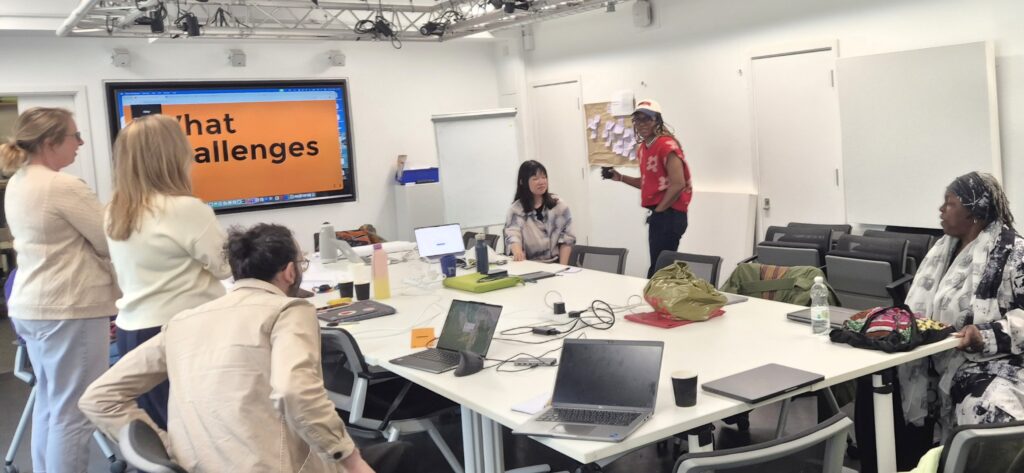
In March, BRAID Sus AI Futures artist-in-residence Yasmine Boudiaf led an extraordinary interactive arts workshop exploring techno-ritual and collective image-making with generative AI.
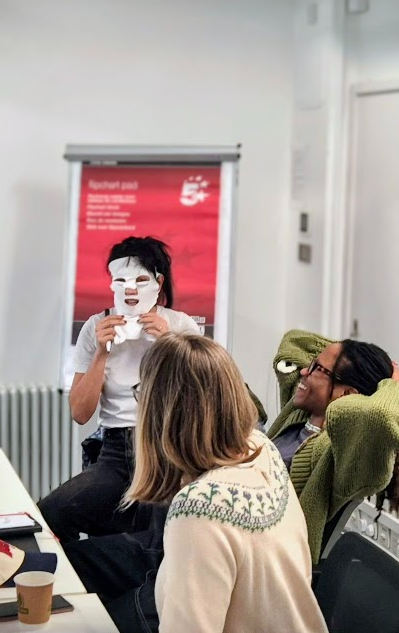
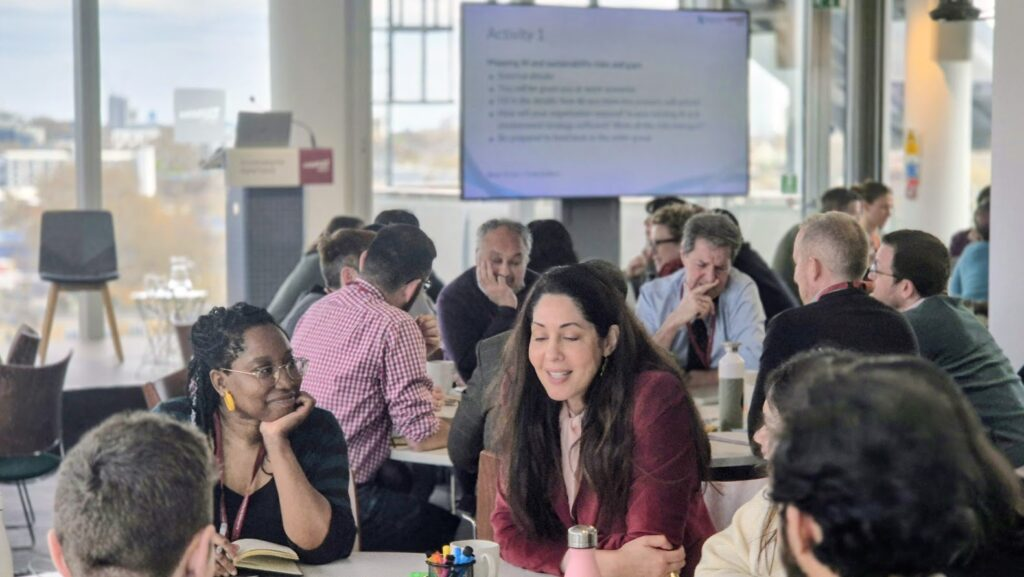
April began with AI and the Future of Sustainability Reporting with Digital Catapult.
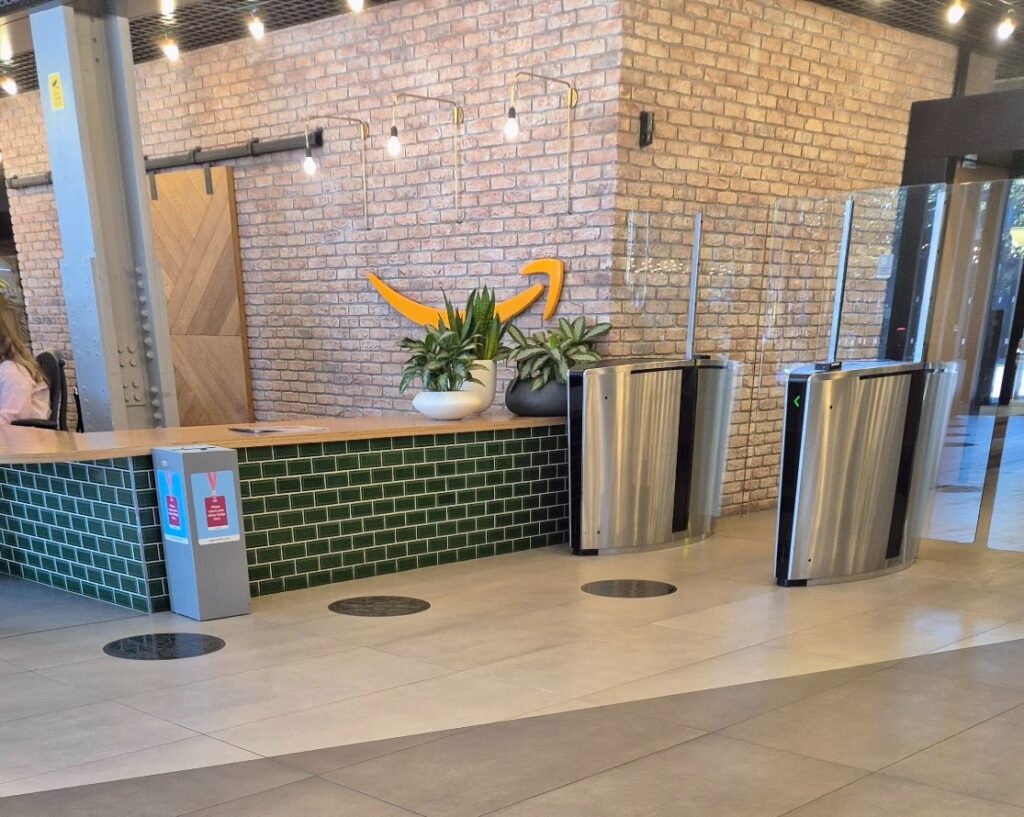
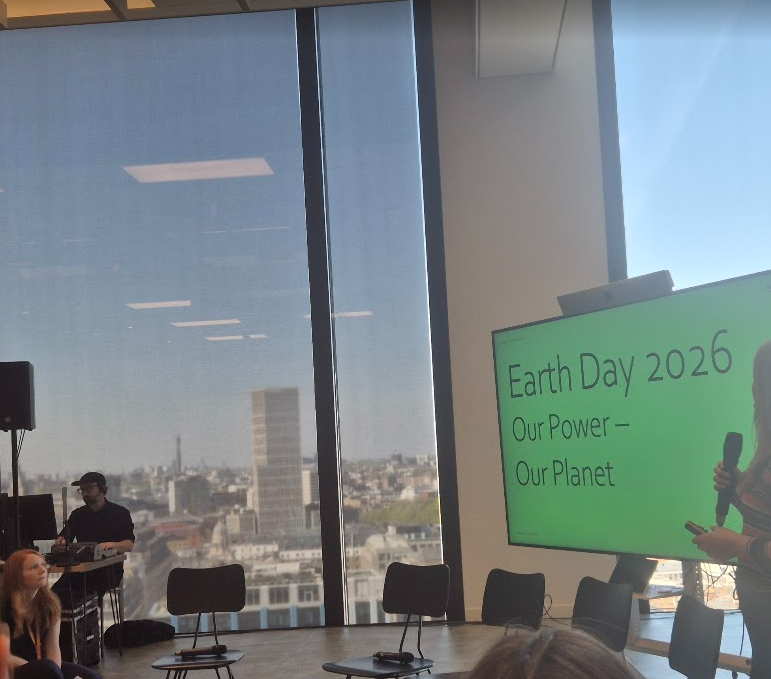
Also in April, we delivered a talk and play-based workshop on ‘Beyond Responsible AI’ at Amazon’s Earth Day summit at Amazon HQ in London, streamed to the staff globally.
Artist-in-residence Felix Loftus has been exploring “data localities” as alternative approaches to digital infrastructure, combining repurposed electronics, locally hosted AI, and participatory approaches to data collection. In April, Felix ran a practical workshop exploring how electronic waste could be transformed into tools for urban gardens.
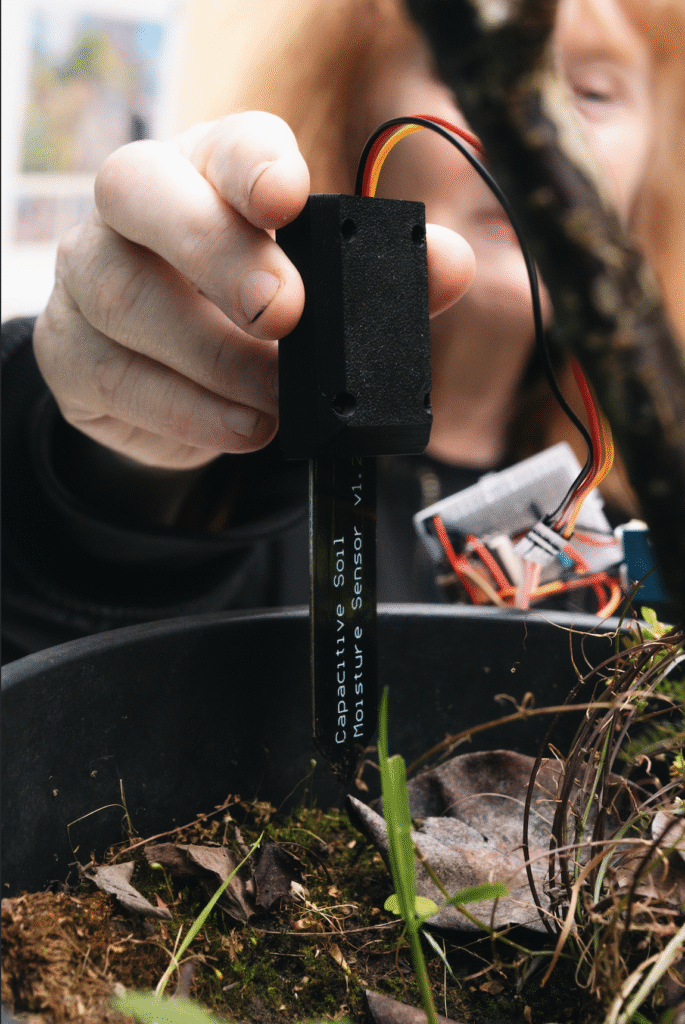
Participants prototyped biosensors for a rooftop garden, connecting them through a local network of repurposed phones and Kindles. Sensor readings were visualised on a digital map of the garden, introducing the concept of a digital twin: a digital representation of a physical environment. A subsequent visioning exercise invited participants to consider whether, where and how technology might support the garden.
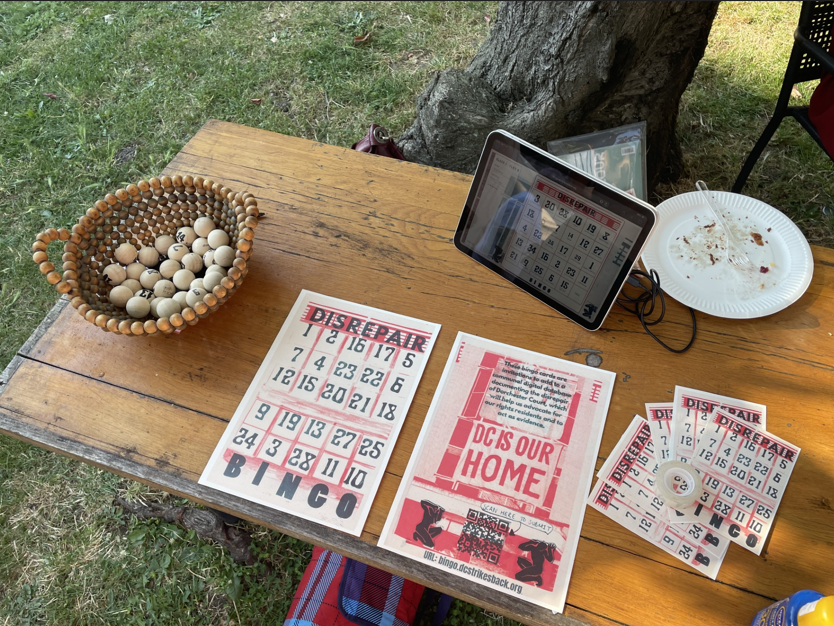
In May, Felix also presented on his residency research at the Technologies in Question seminar series, exploring how digital twins (or their successors) might serve collective rather than individual or commercial interests.
Meanwhile, these ideas are taking practical shape through Felix’s collaboration with Dorchester Court Tenants Union, which is developing a community-controlled digital twin of its housing blocks, using a refurbished computer and locally hosted software to collect and manage data. Its first participatory data collection activity, Disrepair Bingo, invites residents to document housing problems through photographs, videos, voice recordings and text.
Also in May, project partner AfroFutures_UK ran a hugely inspiring design jam session at the Sussex Digital Humanities Lab, supporting participants to think through alternative AI futures.
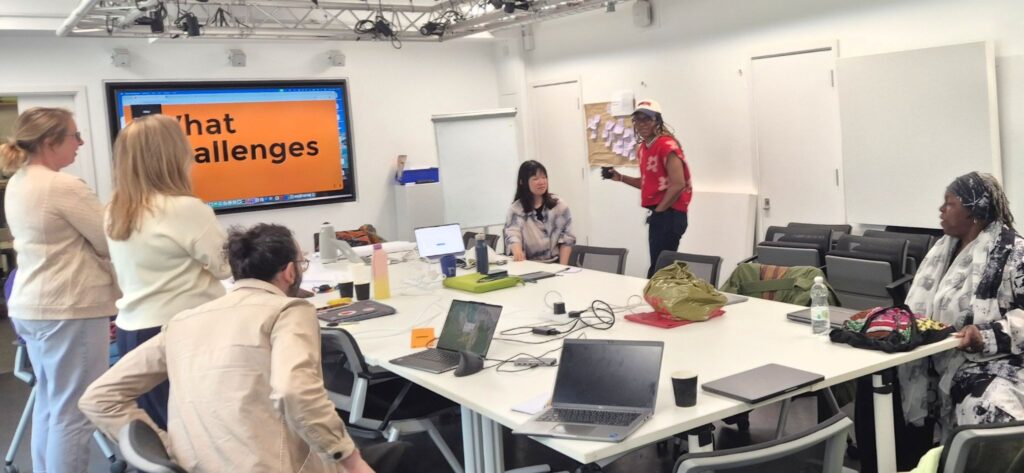
This was a participatory hackathon exploring what community-oriented AI infrastructure could look like. Drawing on African and Afrofuturist thought, transfeminist futurology and CripTech, participants developed ideas around regenerative energy systems, reparative design requirements, and DIY hardware built from repurposed technology.
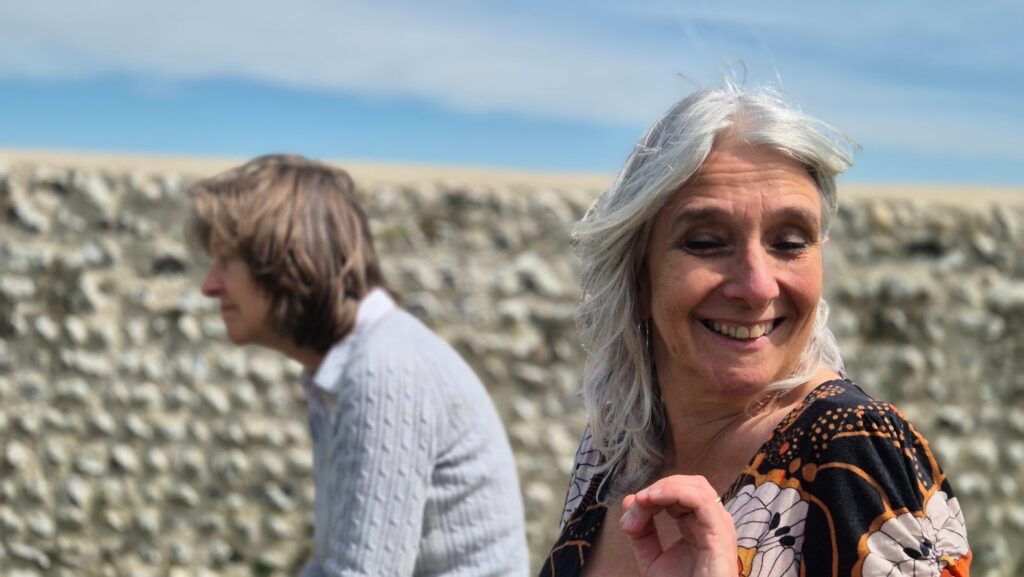
Insights from Sus AI Futures are feeding into the BA-funded public engagement project Farming Futures: Global Imaginaries, which is developing serious play activities to connect the past, present, and future of farming.
Some recent research suggests that AI is poised to completely revolutionize what we eat and how we grow or produce it. How credible are these claims?
Also in May, we had the opportunity to consult with farmers on Sompting Estate in the heart of the Sussex Downs, between Worthing and Steyning, and to engage with the public as part of the Brighton Festival, hosted by the Dice Saloon in Brighton.
The verdict on the AI tractors? More of a US thing, for now at least.
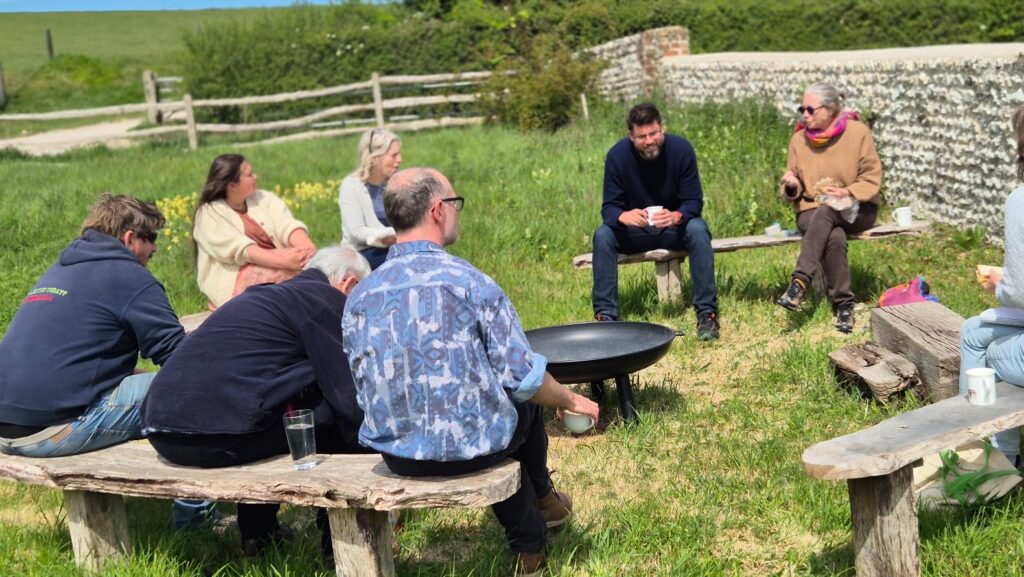
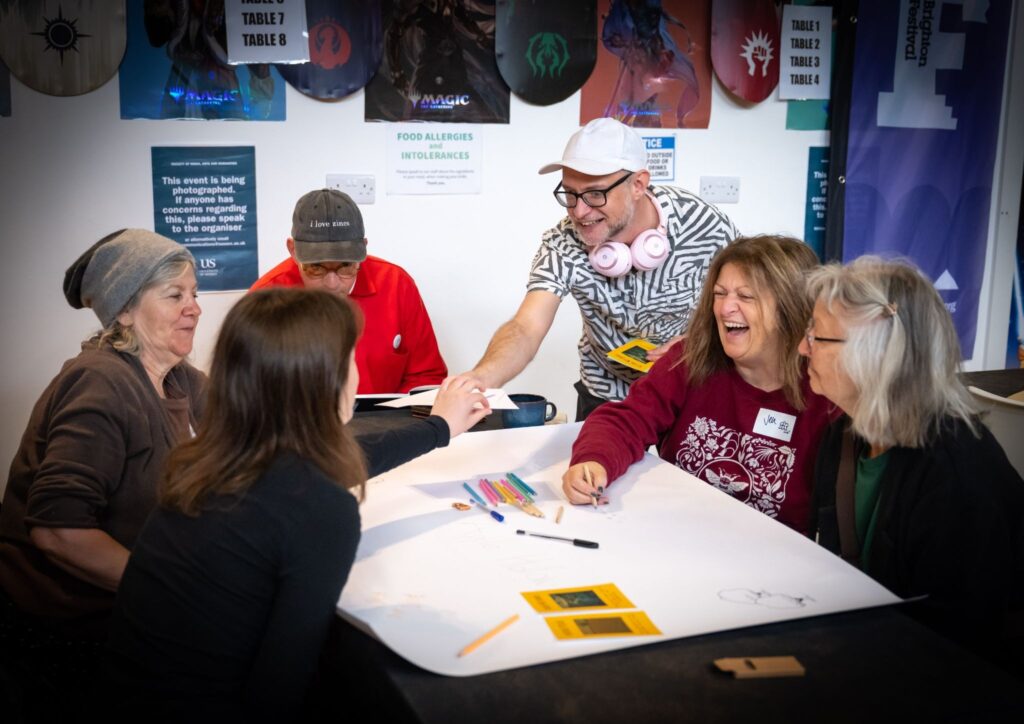
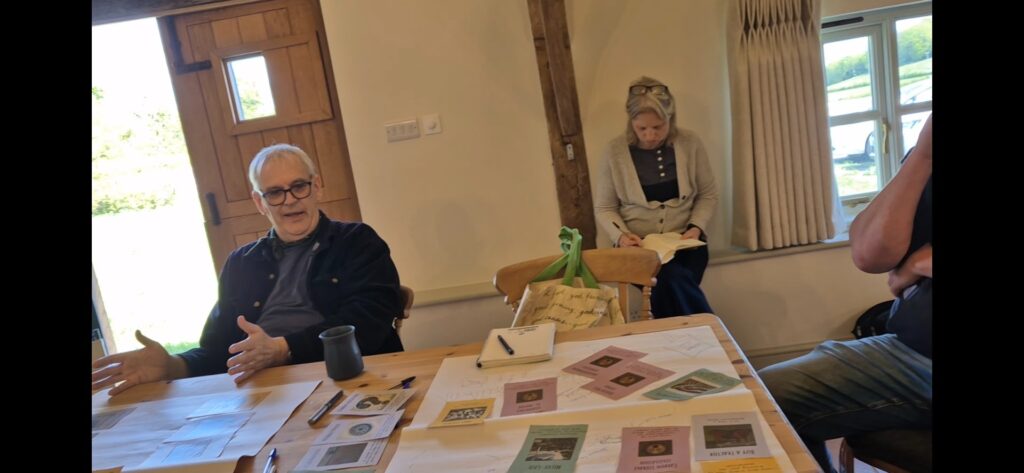
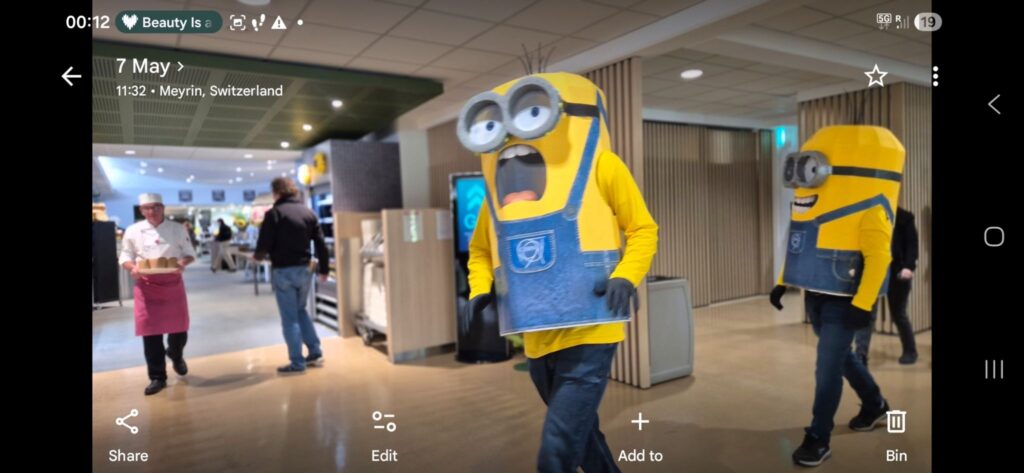
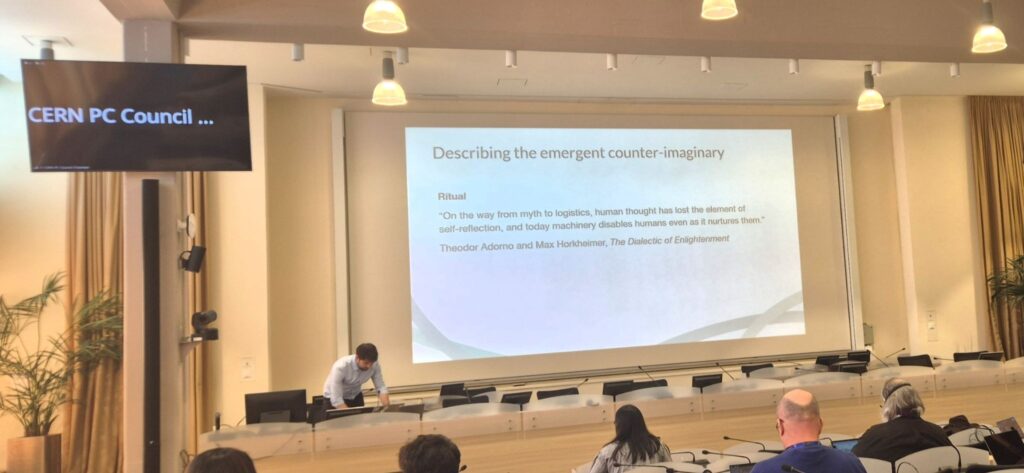
It was also a great privilege and a lot of fun to give one of the keynotes at SC4RC in Switzerland—and a wonderful opportunity to reach a more technical and STEMmy audience. Congratulations to the organisers for putting together such an inspiring interdisciplinary conference.
In July, Sus AI Futures also contributed to the Culture for Climate Scotland series of lunchtime sessions.
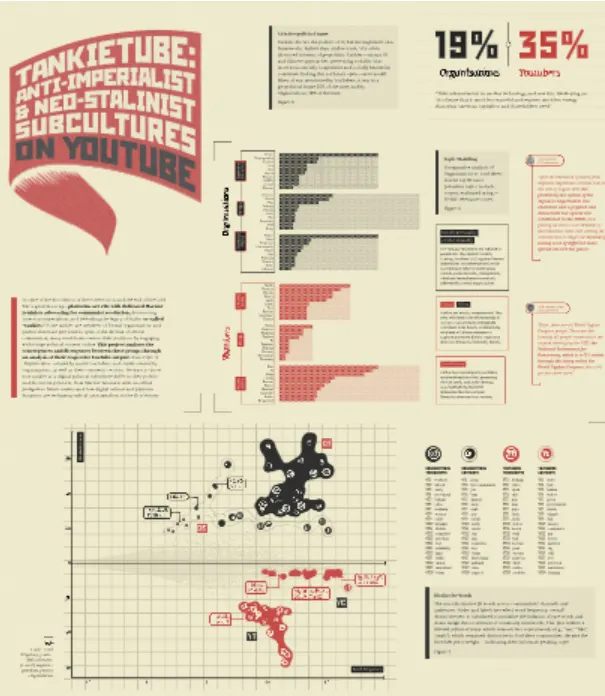
Also in July we dropped in on the Amsterdam Digital Methods Summer School, and brought an AI and climate spin to Gavin Mueller’s data sprint. Read more about it here (and see some topic modelling results here).
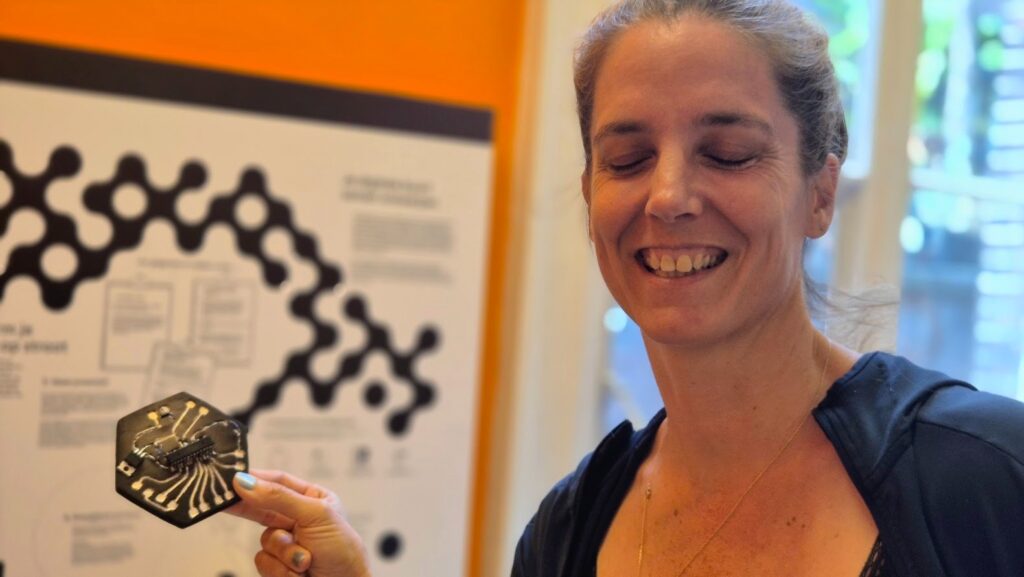
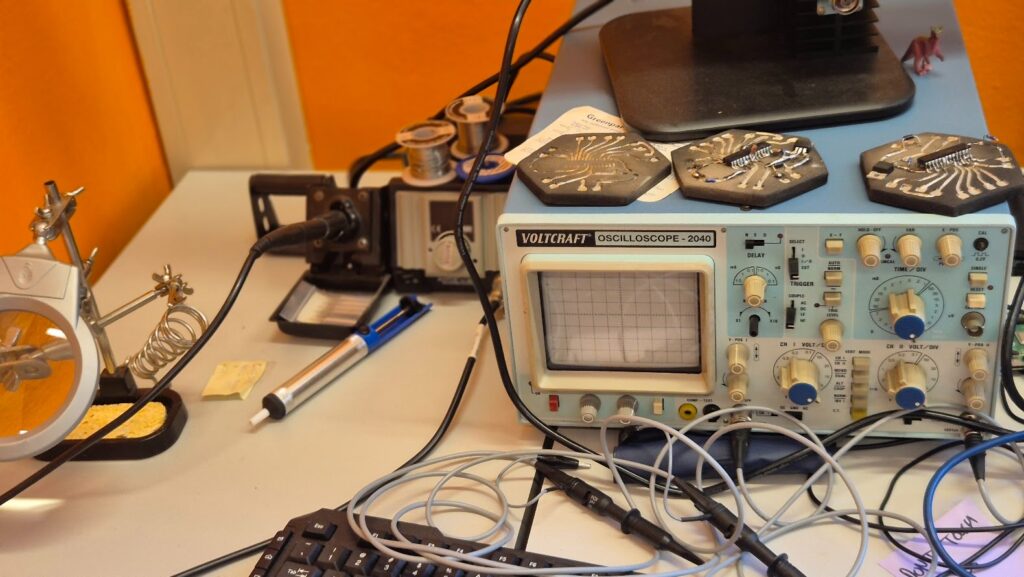
Project partner Critical Infrastructure Lab (UvA) are continuing their incredible work into (among many other things) building a prototype organic data centre. We were able to get together to check out progress to date, and to discuss many other matters, including Felipe Silva Figueiredo’s recent research into Iceland’s pivot from crypto mining rigs to AI data centres. Critical Infrastructure Lab will be hosting a Sus AI Futures workshop in September specifically focused on energy infrastructures.
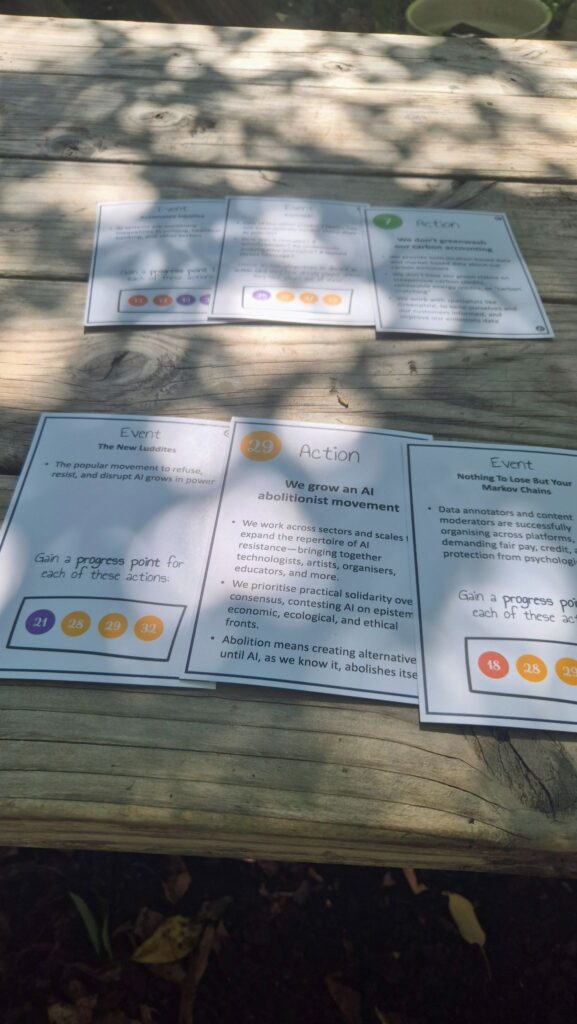
More recently, with Lucy Freedman (People’s Palace Projects), we have been exploring the intersection of AI, climate, and the criminal justice system, and playtesting a new iteration of the Beyond Responsible AI game at De Binnenpret in Amsterdam.
And behind the scenes, we’ve also been working on a variety of publications and resources. Here’s just three: Green Coding Solutions are making great progress with their Green AI Model; the first drafts are rolling in for our special issue, Resisting the Infrastructuralization of AI; (with project collaborators Applied African Speculative Fiction), the first volume of the Applied African Speculative Fiction toolkit, coming from Ping Press very soon.